#1 Construction Agency

Automatic Fire Fighting & Suppression Systems in Saudi Arabia

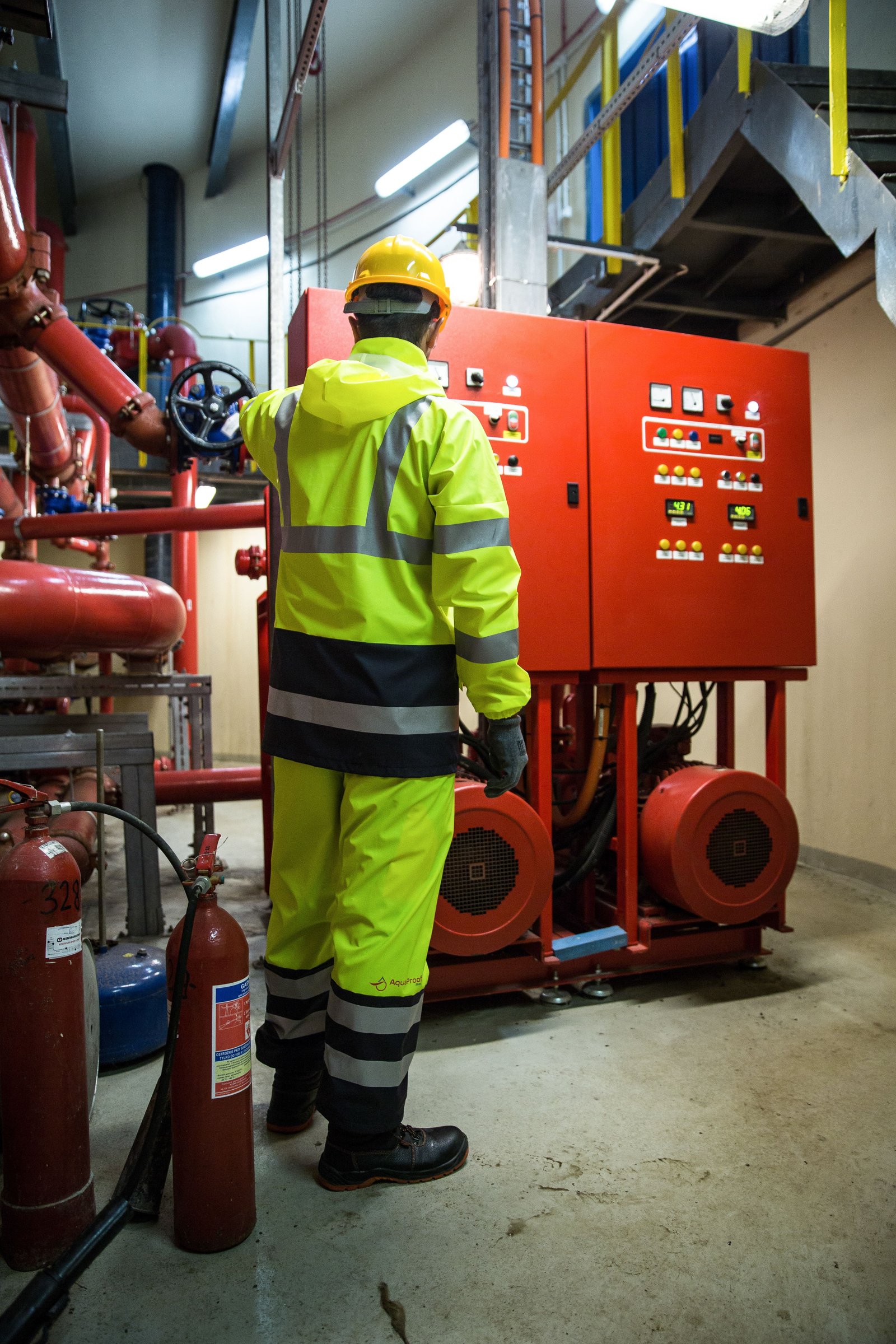
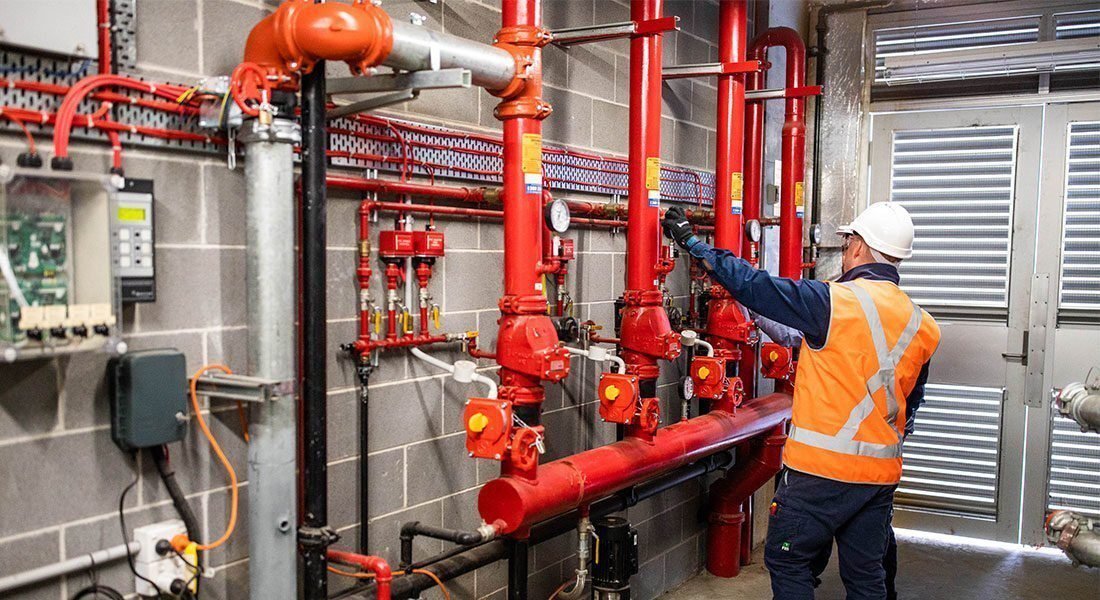
We design, supply, install, and commission advanced automatic fire fighting and suppression systems across the Kingdom of Saudi Arabia. Operating in strict compliance with the Saudi Building Code (SBC 801), NFPA Standards (11, 13, 15, 96, and 2001), and Saudi Civil Defense (Salamah) regulations, our active fire protection solutions deliver 24/7 continuous safeguarding for critical commercial, industrial, and mission-critical assets.

about our company

Turnkey Fire Suppression Systems Compliant with SBC 801 & NFPA

Automatic suppression systems detect and extinguish fires in their incipient stages without human intervention, preventing catastrophic asset loss and ensuring continuous operational safety.

what we do

Engineering, Design, and Hydraulic Calculations per Civil Defense Requirements

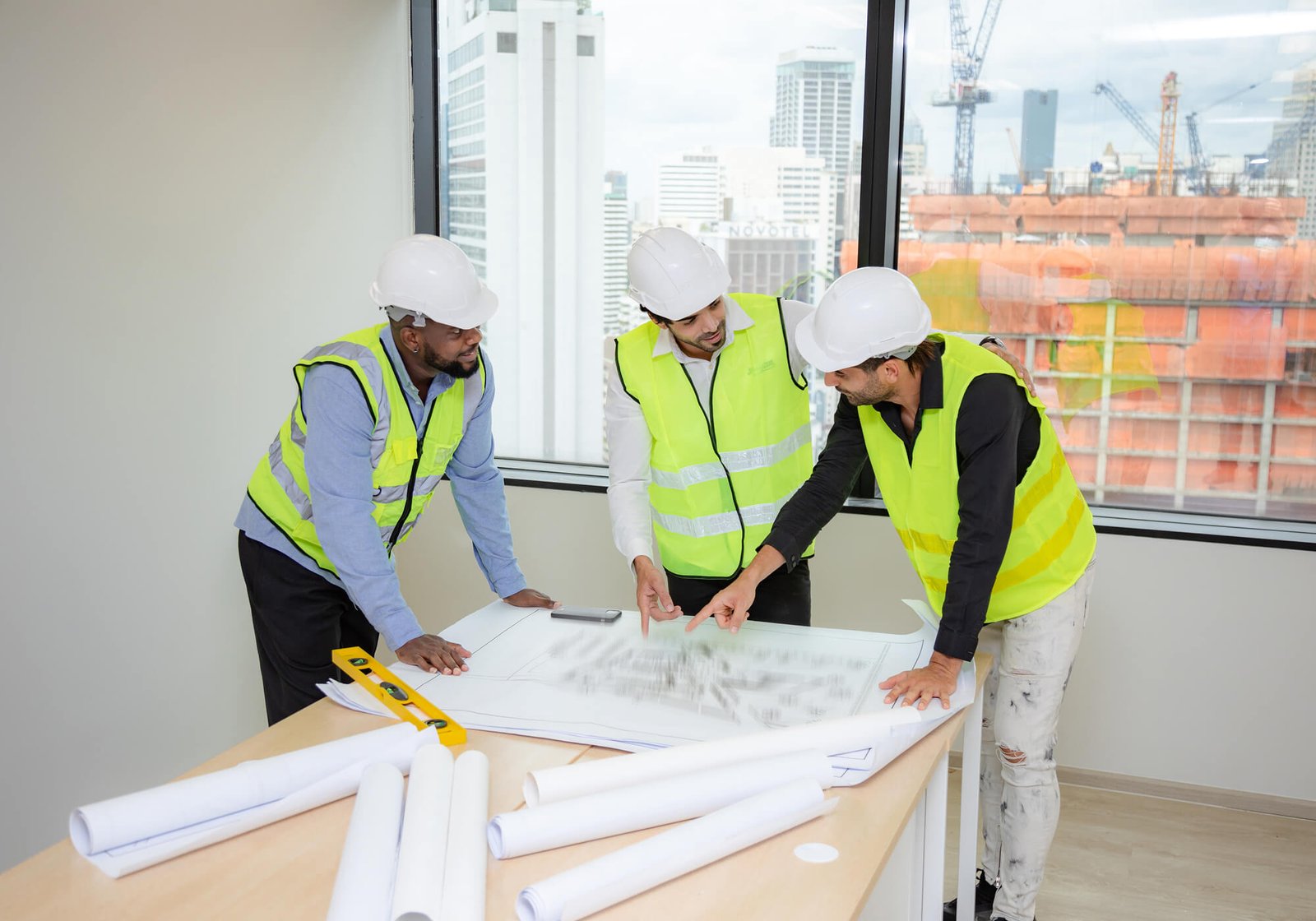
Every suppression system begins with hazard-specific engineering and agent quantity calculations. Our team conducts computer-modeled flow rate, pipe sizing, and gas discharge concentration calculations to ensure rapid flame knockdown. We generate comprehensive CAD layouts, isometric riser diagrams, and control panel wiring schematics tailored for immediate Saudi Civil Defense design approval.

Water Sprinkler & Deluge Systems

Overhead piping networks engineered per NFPA 13, including wet-pipe for general facilities, dry-pipe for sub-zero cold storage, pre-action for mission-critical rooms, and high-volume deluge arrays for industrial hazards.

Clean Agent Gaseous Suppression (FM-200, Novec 1230, CO2)

Electrically non-conductive, residue-free gaseous systems engineered per NFPA 2001 that extinguish fires in seconds without damaging sensitive IT hardware or electrical equipment.

Commercial Kitchen Hood Systems (Wet Chemical / Ansul)

Pre-engineered automatic discharge systems operating per NFPA 96 that smother grease fires and automatically shut off gas/fuel supplies in commercial kitchens.

Foam Fire Fighting Systems (AFFF / AR-AFFF)

Proportioned foam systems engineered per NFPA 11 to blanket flammable liquid spills, suppress vapors, and prevent reignition in fuel storage depots and helipads.

Water Mist & Specialty Systems

High-pressure micro-droplet arrays that cool fire plumes and displace oxygen efficiently using significantly less water than traditional sprinklers.

Full-Lifecycle Infrastructure Services Across the Kingdom

We manage every phase of fire suppression system deployment, carrying your project from risk assessment to official Civil Defense handover.

  • Initial Engineering

    Risk assessment, room integrity analysis, agent concentration calculation, and CAD layout.

  • Procurement & Supply

    Delivery of UL-listed/FM-approved cylinders, valves, discharge nozzles, and control panels.

  • Installation & Piping

    Mechanical pipe fitting, cylinder bank positioning, wiring, and nozzle placement.

  • Testing & Commissioning

    Pneumatic pressure testing, room door fan testing (for clean agent), and sequence testing.

  • Licensing & Handover

    Documentation submission, Civil Defense field inspection, and Salamah approval.

Our LOCATIONS

Nationwide Coverage Across Saudi Arabia’s Major Cities & Economic Zones

Our mobile engineering teams deploy directly to major commercial hubs, MODON industrial cities, and giga-project sites across all regions of the Kingdom.

Central Region: Riyadh, Sudair & Al-Kharj Industrial Cities

We deliver certified suppression solutions across Riyadh First, Second, and Third Industrial Cities, Sudair City for Industry and Businesses, and high-density commercial developments in Al-Kharj and central Riyadh.

Western Region: Jeddah, Mecca, Medina, Yanbu & KAEC

We serve commercial and industrial hubs along the Red Sea coast, protecting port logistics in Jeddah, heavy petrochemical assets in Yanbu Industrial City, commercial centers in King Abdullah Economic City (KAEC), and hospitality venues in Mecca and Medina.

Eastern Province: Dammam, Jubail, Khobar, Dhahran & Ras Al-Khair

We deploy specialized industrial suppression systems across Saudi Arabia's energy sector, including Jubail Industrial City, Dammam Industrial Cities 1, 2, and 3, King Salman Energy Park (SPARK), and industrial facilities in Ras Al-Khair.

Southern & Northern Hubs: Jazan, Asir, Tabuk & NEOM Infrastructure Projects

We provide advanced fire suppression systems for major regional developments, supporting giga-projects in NEOM and Oxagon, commercial infrastructure in Tabuk, industrial setups in Jazan Economic City, and logistics sites in Wa'ad Al Shamal.

Join Buildra

Specialized Fire Suppression Engineering for KSA’s Core Industries

We engineer suppression media and system architectures to address the distinct fire loading, hazard classification, and operational needs of key industry sectors across Saudi Arabia.

Hydrocarbon Processing, Petrochemical Plants & Refineries

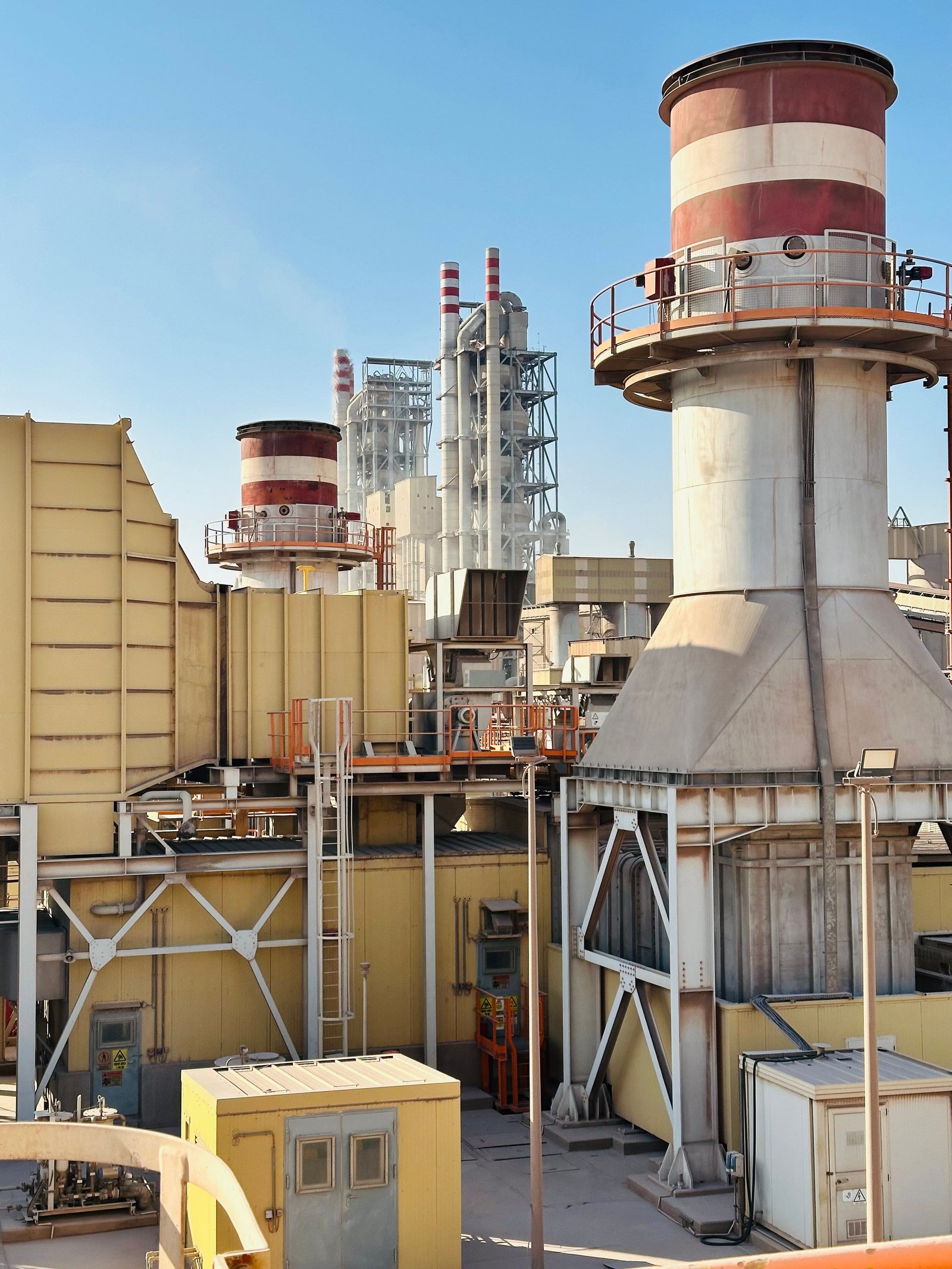
High-hazard chemical processing and fuel handling zones require rapid total-flooding protection. We deploy heavy foam-water deluge systems, monitor towers, and gaseous CO2 suppression to control Class B fires and isolate combustible vapors across processing units.

Heavy Manufacturing, Metals & Assembly Facilities

Industrial operations require targeted hazard protection. We install high-pressure water mist, pre-action sprinkler loops, and localized chemical suppression units that protect heavy machinery, turbine rooms, and automated assembly line equipment.

Logistics Hubs, Mega-Warehouses & Distribution Centers

High-piled rack storage and automated fulfillment facilities present fast-spreading fire risks. We engineer high-density Early Suppression Fast Response (ESFR) sprinkler loops and wet-pipe ceiling mains designed to suppress high-challenge fires instantly.

Commercial Real Estate, High-Rises & Multi-Use Developments

Complex multi-use developments and mission-critical towers require modular, multi-zone suppression. We integrate clean agent gas systems for server rooms, wet chemical hood systems for commercial dining venues, and zoned wet sprinklers across all floor levels.

Get Started

Need Fast Equipment Mobilization or BOQ Pricing?

Whether retrofitting an active facility or preparing a tender submission for industrial plants, warehouses, or high-rises, our certified engineers provide fast-track site audits, code compliance verification, and itemized system estimates.

Contact Us

Request an Engineering Proposal or Technical Consultation

Ensure your suppression systems comply with SBC 801 standards and Civil Defense guidelines. Submit project requirements to receive a detailed engineering proposal backed by agent quantity calculations and complete technical support.


    Your information is confidential and handled securely.

    Bahrah, 23342, Jeddah, KSA

    sales@triad.sa

    Monday – Friday, 8:00 AM – 5:00 PM (AST)

    Common Questions

    Frequently Asked Questions (FAQs)

    Still Have Any Questions?
    General Questions
    Which clean agent suppression system (FM-200 vs. Novec 1230) is best for data centers in KSA?

    Both FM-200 and Novec 1230 provide residue-free, electrically non-conductive protection per NFPA 2001. Novec 1230 offers a lower Global Warming Potential (GWP < 1) and is often selected for long-term sustainability goals, while FM-200 remains a widely used, cost-effective option across commercial IT facilities.

    NFPA 96 and SBC 801 require pre-engineered wet chemical systems to cover all cooking appliances, hood plenums, and exhaust ducts. The system must feature automatic thermal detection, a manual pull station, and an automatic gas/electricity shut-off valve to isolate fuel sources upon discharge.

    Per NFPA 25 and NFPA 2001, gaseous cylinders require semi-annual weight and pressure checks, along with periodic hydrostatic testing (typically every 5 to 10 years depending on agent type and cylinder specification) to maintain Civil Defense compliance.

    Salamah portal approval takes 5 to 10 business days after completing installation and field testing. Approval relies on uploading compliant hydraulic/agent calculations, UL/FM component certificates, room integrity test results, and passing the physical site inspection.