We design, supply, install, and commission heavy-duty fire protection networks, high-capacity water supply systems, and certified pumping infrastructure across the Kingdom of Saudi Arabia. Operating in strict alignment with the Saudi Building Code (SBC 801), NFPA Standards (14, 20, 24, and 25), and Saudi Civil Defense (Salamah) regulations, we deliver end-to-end hydraulic solutions engineered to safeguard critical assets, secure regulatory compliance, and ensure uninterrupted operations.
A reliable fire suppression network relies on guaranteed water volume and unyielding pressure delivery. We build fully integrated, commercial, and industrial fire water infrastructure that performs under max-flow emergency conditions.

Every project starts with comprehensive hydraulic engineering. Our team performs computer-modeled flow and pressure drop calculations to determine exact pipe sizing, friction loss factors, and required system capacity. We prepare detailed CAD schematics, isometric layouts, and single-line diagrams designed to pass Saudi Civil Defense design review on the first submission.
Above-ground sectional GRP, bolted steel, and reinforced concrete underground reservoirs built strictly per NFPA 22 for guaranteed emergency reserves.
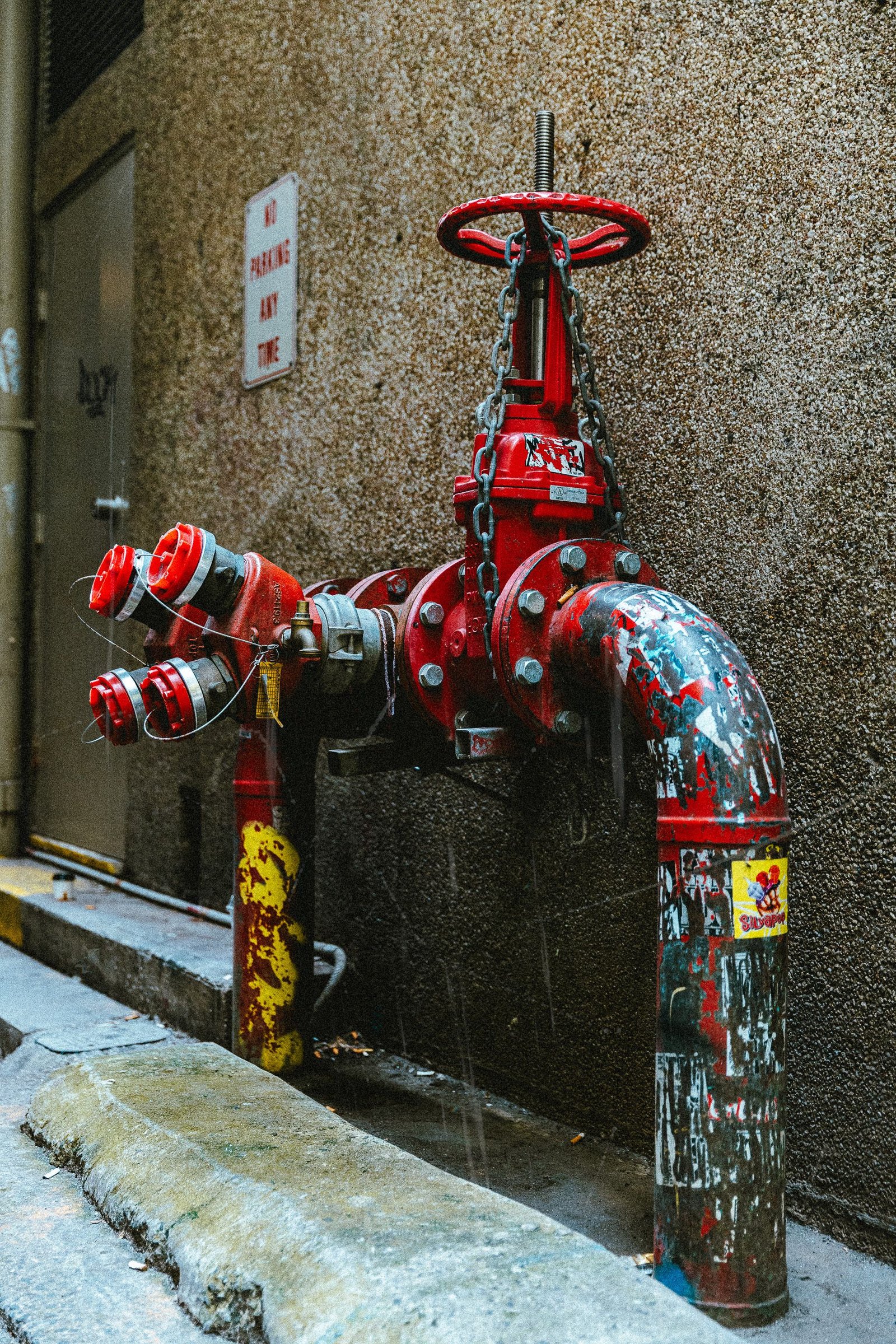
Heavy-duty, corrosion-resistant HDPE and ductile iron loops installed per NFPA 24 with monitored Post Indicator Valves (PIV) and OS&Y isolation valves to isolate specific site sectors without taking the full network offline.
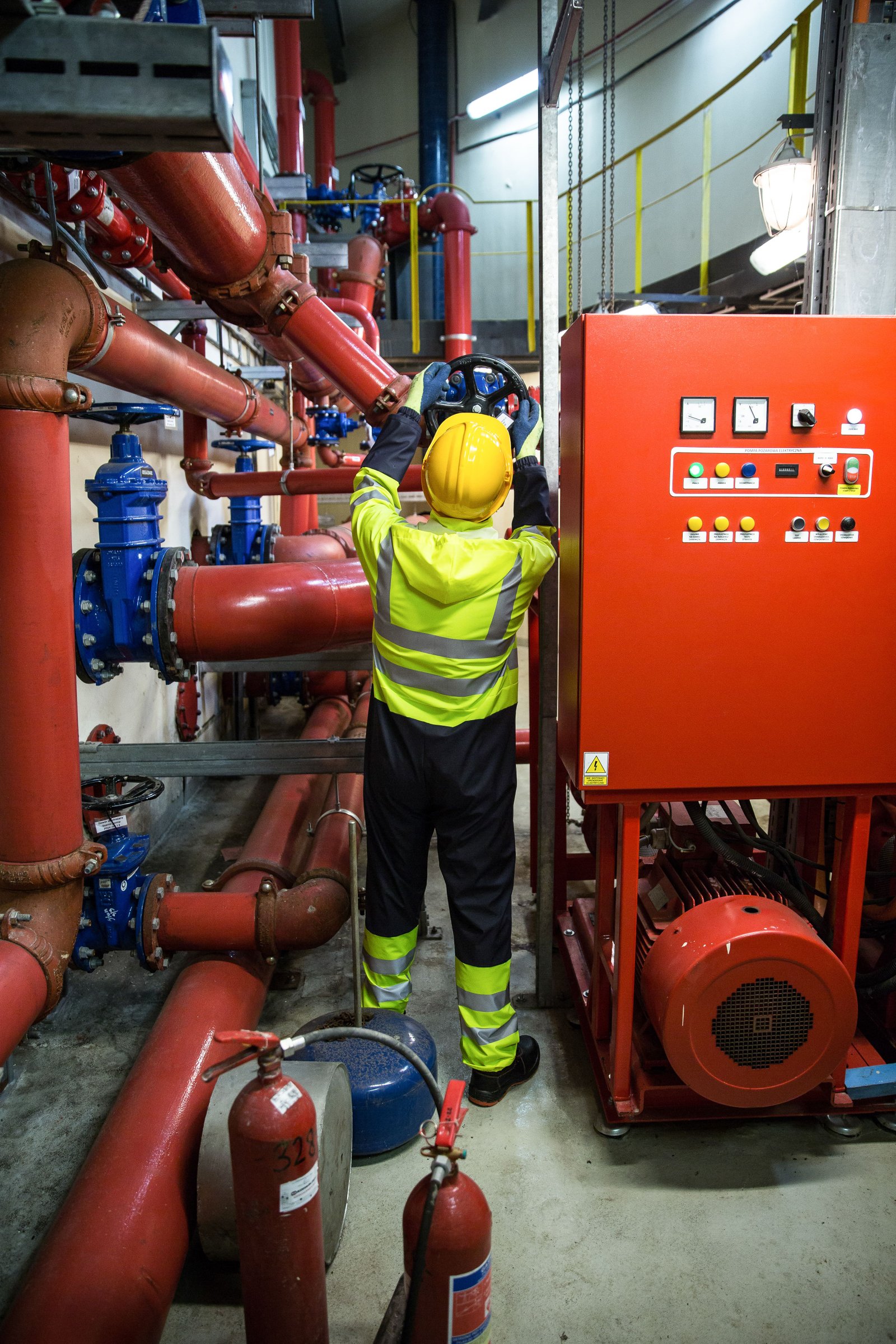
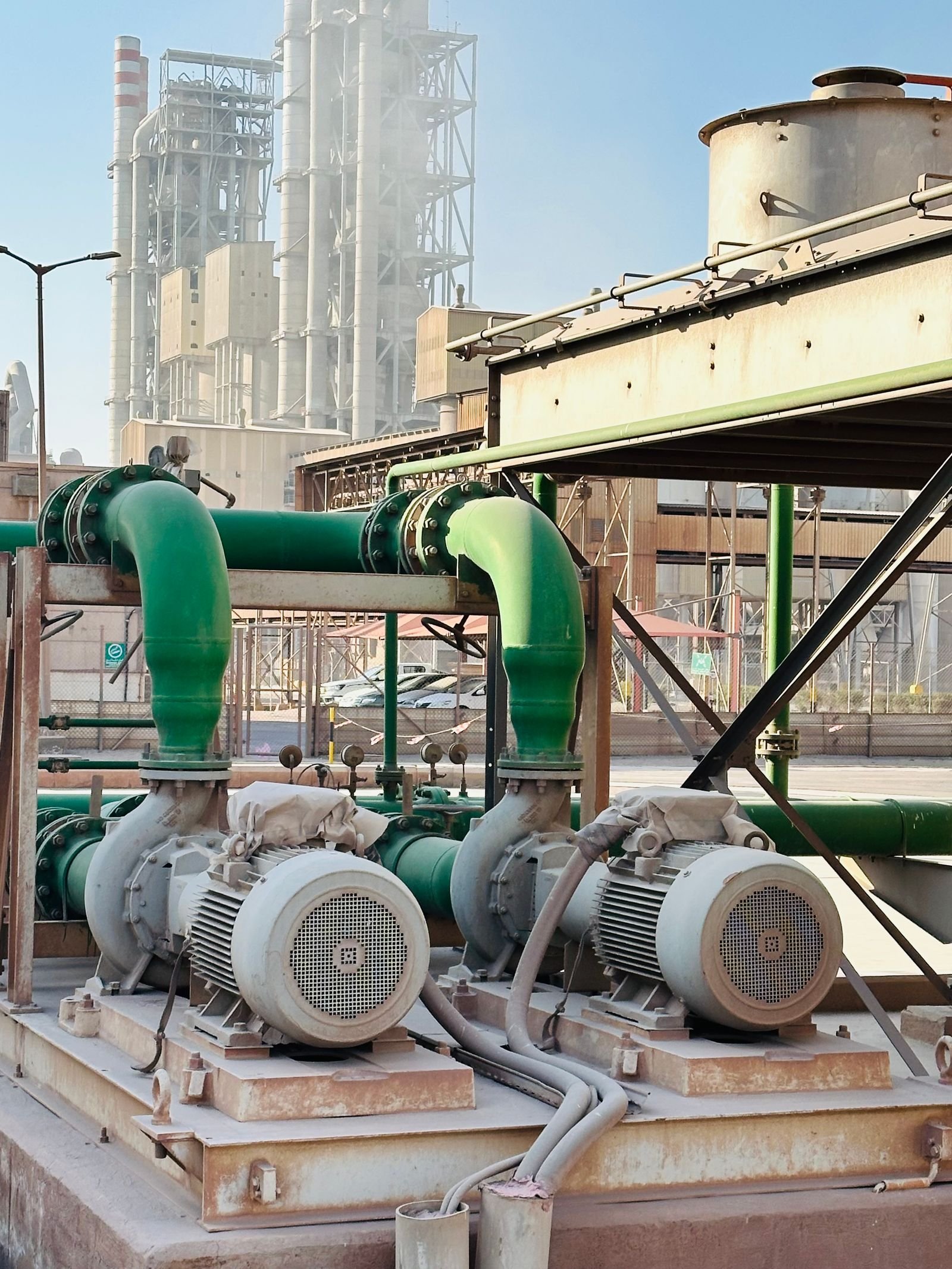
Custom skid-mounted fire pump assemblies featuring Electric Primary Motors, Diesel Engine Standby Units, and Jockey Pumps designed for automatic pressure stabilization and full system redundancy.
We manage every phase of private fire water main and pump house development, taking your project seamlessly from blank blueprints to official Civil Defense approval.

Site audits, static/residual flow testing, hazard classification, and CAD drafting.
Procurement of UL-listed/FM-approved pumps, GRP tanks, and certified piping.
Trenching, underground main piping, jointing, pump house fitting, and tank erection.
Hydrostatic pipe testing, pitot flow tests, and full-load NFPA 20 pump testing.
Documentation upload, Civil Defense inspection management, and Salamah approval.
Our mobile engineering teams and field technicians deploy directly to major urban centers, MODON industrial cities, and Special Economic Zones across all provinces of the Kingdom.

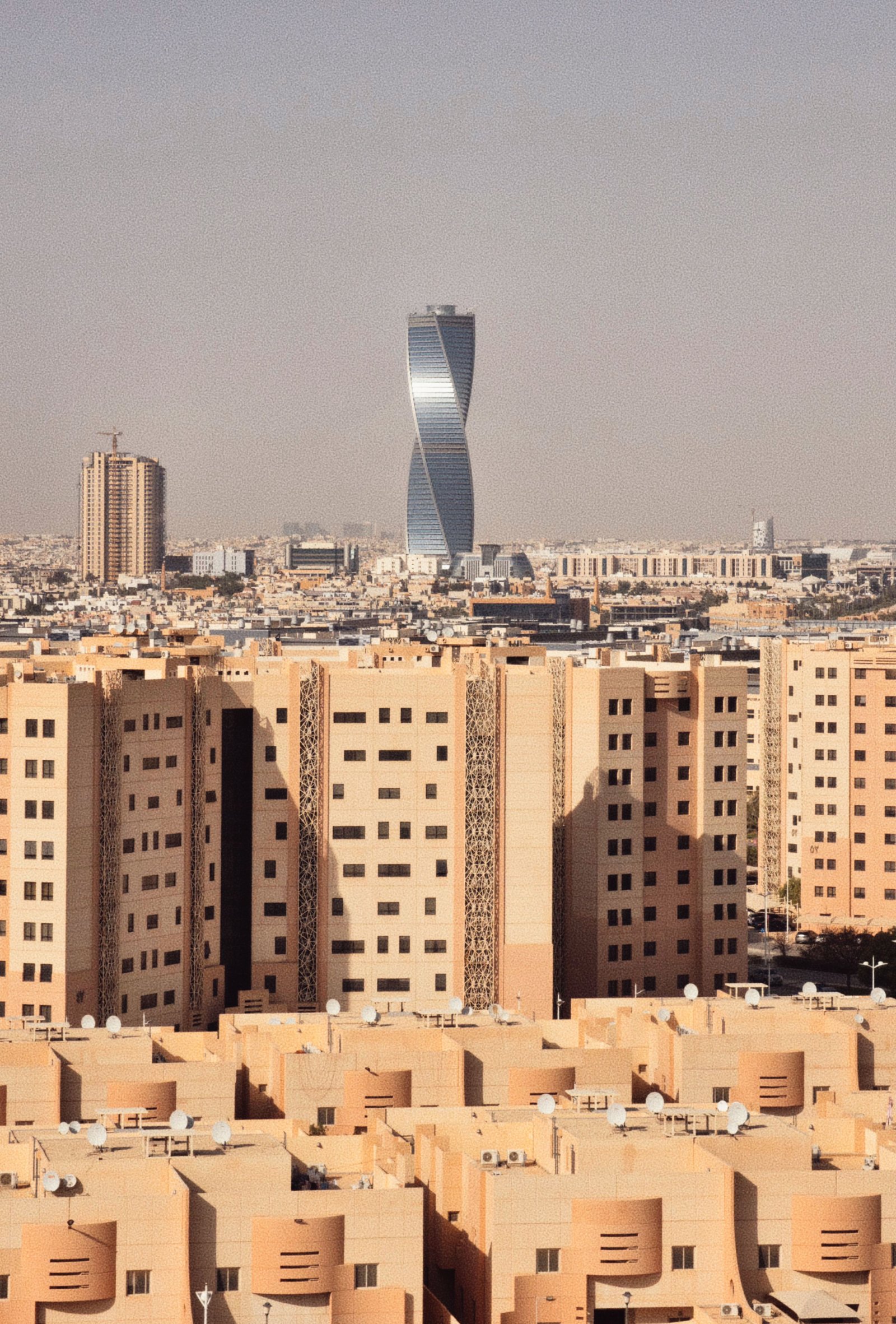
We support the rapid development of Riyadh’s commercial skyline and expanding industrial footprint, delivering certified fire networks throughout Riyadh First, Second, and Third Industrial Cities, Sudair City for Industry and Businesses, and logistics hubs in Al-Kharj.

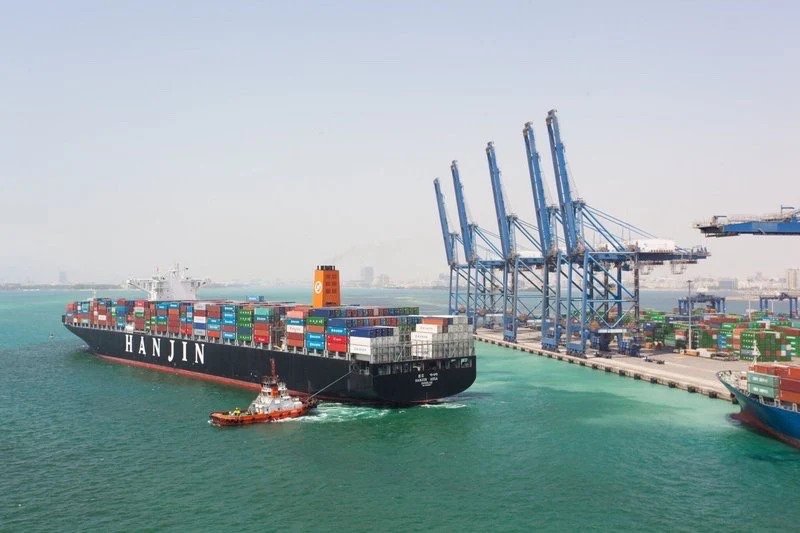
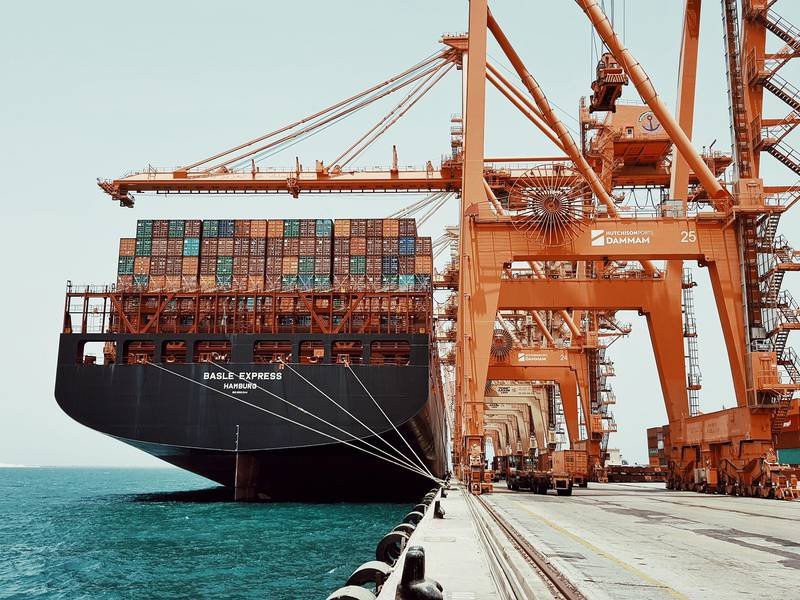
From maritime logistics along the Red Sea coast to heavy industrial zones, we deploy fire water supply networks across Jeddah Islamic Port and MODON areas, Yanbu Industrial City, King Abdullah Economic City (KAEC), and high-occupancy commercial properties in Mecca and Medina.

Serving Saudi Arabia’s industrial heartland, we construct heavy-duty industrial water networks and pumping stations in Jubail Industrial City, Dammam Industrial Cities 1, 2, and 3, King Salman Energy Park (SPARK), and maritime complexes in Ras Al-Khair.

We bring advanced fire protection engineering to developing economic corridors, supplying compliant systems for giga-projects in NEOM and Oxagon, regional infrastructure in Tabuk, mining logistics in Wa'ad Al Shamal, and industrial developments in Jazan Economic City.

We tailor every hydraulic installation to match the specific fire load, hazard class, and operational footprint of Saudi Arabia’s key economic sectors.
High-risk environments require high-volume suppression capabilities. We engineer specialized foam-water deluge systems, monitor towers, and heavy industrial ring mains designed to extinguish Class B hydrocarbon fires and suppress hazardous vapor generation rapidly.
Operational continuity is paramount in heavy industrial facilities. We deploy high-pressure loop networks, interior fire hose cabinets, and deluge cooling systems that protect structural steel and heavy machinery from thermal collapse during a fire event.
Modern high-bay storage facilities demand massive water discharge rates. We engineer high-volume sprinkler supply mains, Early Suppression Fast Response (ESFR) pumping stations, and external yard hydrants that contain rapid-spreading fires in high-piled palletized environments.
Multi-story urban structures present complex static pressure challenges. We install multi-stage standpipe systems (NFPA 14), floor landing valves, wet pipe sprinkler risers, and pressure-reducing valve (PRV) stations to ensure uniform water delivery to top-tier floors.
Whether retrofitting an active facility or preparing a tender submission for industrial plants, warehouses, or high-rises, our certified engineers provide fast-track site audits, code compliance verification, and itemized system estimates.
Ensure your water infrastructure complies with SBC 801 standards and Civil Defense guidelines. Submit project requirements to receive a detailed engineering proposal backed by hydraulic calculations and complete technical support.

Bahrah, 23342, Jeddah, KSA
sales@triad.sa
Monday – Friday, 8:00 AM – 5:00 PM (AST)
Both FM-200 and Novec 1230 provide residue-free, electrically non-conductive protection per NFPA 2001. Novec 1230 offers a lower Global Warming Potential (GWP < 1) and is often selected for long-term sustainability goals, while FM-200 remains a widely used, cost-effective option across commercial IT facilities.
NFPA 96 and SBC 801 require pre-engineered wet chemical systems to cover all cooking appliances, hood plenums, and exhaust ducts. The system must feature automatic thermal detection, a manual pull station, and an automatic gas/electricity shut-off valve to isolate fuel sources upon discharge.
Per NFPA 25 and NFPA 2001, gaseous cylinders require semi-annual weight and pressure checks, along with periodic hydrostatic testing (typically every 5 to 10 years depending on agent type and cylinder specification) to maintain Civil Defense compliance.
Salamah portal approval takes 5 to 10 business days after completing installation and field testing. Approval relies on uploading compliant hydraulic/agent calculations, UL/FM component certificates, room integrity test results, and passing the physical site inspection.