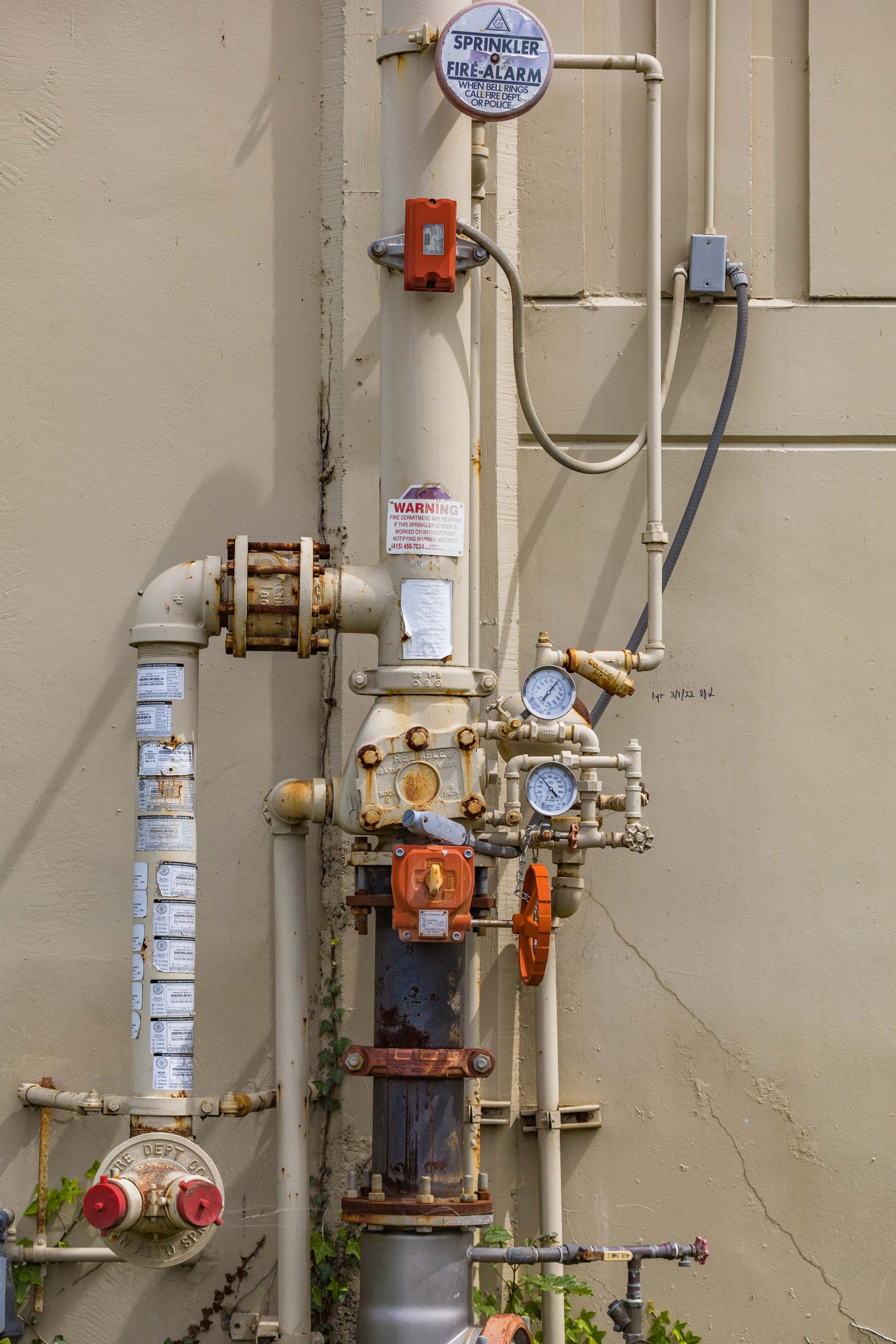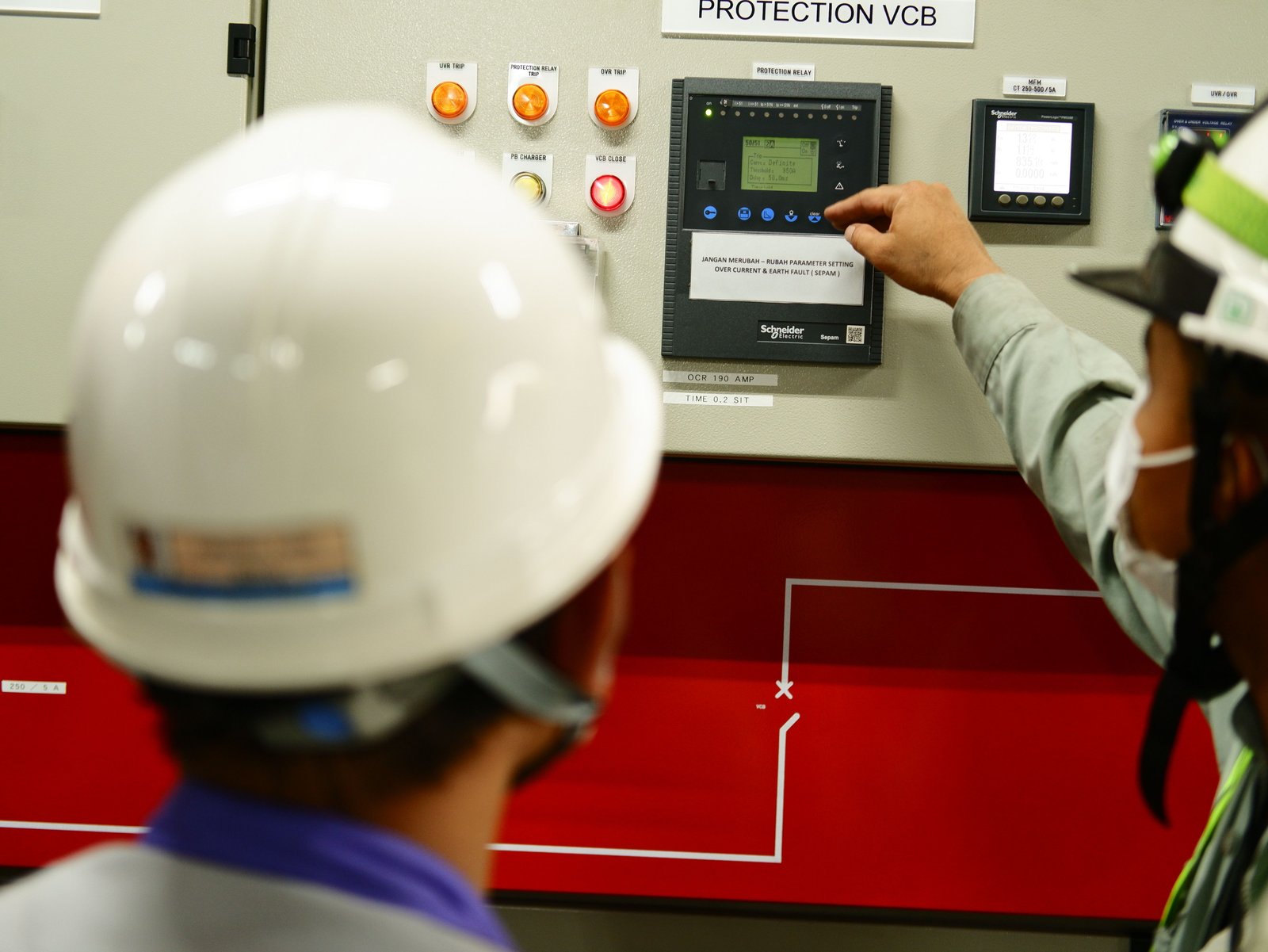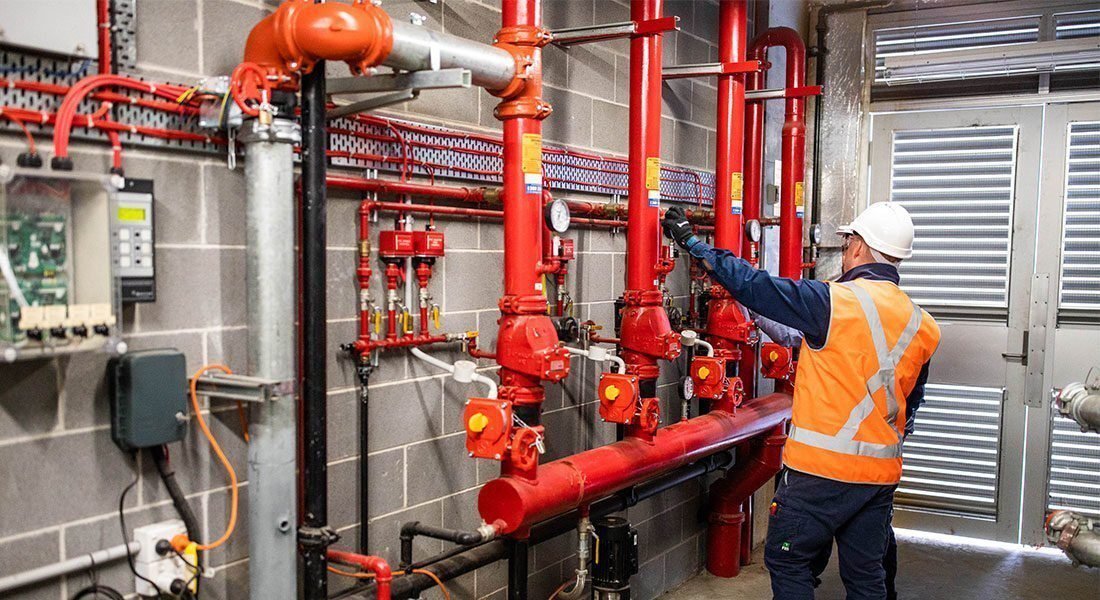
We design, supply, install, and commission advanced fire alarm and early detection infrastructure across Saudi Arabia. Operating in strict accordance with the Saudi Building Code (SBC 801), NFPA Standards (72, 75, 76), and Saudi Civil Defense (Salamah / 998) requirements, our life safety networks identify thermal risks, smoke, and combustible gas buildup at the incipient stage to alert occupants, initiate containment protocols, and prevent asset loss.
A certified life safety network integrates high-precision sensing devices with centralized command units to deliver continuous, real-time environmental monitoring across complex facility layouts.

Every installation begins with precise risk evaluation and loop-loading calculations. Our engineering team designs Cause-and-Effect logic matrices, battery backup calculations, and voltage-drop analyses to ensure loop reliability and rapid Saudi Civil Defense design approval.
Photoelectric smoke, rate-of-rise heat, optical flame, and gas monitors tracking physical and chemical ambient shifts.
Addressable units that evaluate inputs, pinpoint device locations, run diagnostic checks, and trigger interlocks.
High-decibel sirens, synchronized strobes, and multi-zone VES units delivering clear emergency instructions.
Break-glass units along egress routes for manual alarm initiation.
Modern life safety networks rely on automated interlocks between the FACP and building management systems to contain fire threats and protect evacuation corridors.

What the Fire Alarm Control Panel (FACP) does automatically
Shuts off fresh air intake and starts stairwell smoke extraction fans.
Unlocks access-controlled doors and recalls elevators to the designated floor (Phase 1 recall).
Sends the fire alarm to the Civil Defense monitoring center over two communication paths (IP + cellular).
Activates the fire suppression system (clean agent gas, deluge system, etc.).

For high-value, mission-critical assets, we deploy Performance-Based Engineering (PBE) with specialized high-sensitivity arrays to achieve business continuity and rapid threat neutralization.
Actively draws air samples into a central laser chamber, detecting microscopic particles (0.005% to 20% obscuration/m) long before visible smoke appears.
Monitors surface heat radiation (W/m²) across open spaces to pinpoint anomalies without line-of-sight dust interference.
Sensor cables delivering meter-by-meter temperature tracking over long distances, unaffected by Electromagnetic Interference (EMI).
Ensure your life safety infrastructure complies with SBC 801 standards and Civil Defense guidelines. Submit project requirements to receive an itemized BOQ proposal backed by full engineering support.
Submit your CAD drawings or building specifications for a complete

Bahrah, 23342, Jeddah, KSA
sales@triad.sa
Monday – Friday, 8:00 AM – 5:00 PM (AST)
Conventional systems group detectors into general zones, whereas addressable systems assign a unique digital address to every detector, pinpointing the exact location of a fire event instantly.
VESDA is used in mission-critical or high-airflow environments (like data centers and high-bay warehouses) where early detection is critical before visible smoke forms.
Lorem ipsum dolor sit amet, consectetur adipiscing elit. Ut elit tellus, luctus nec ullamcorper mattis, pulvinar dapibus leo.
Salamah portal licensing typically takes 5 to 10 business days after testing, subject to compliant CAD drawings, UL/FM certificates, and physical inspection.