We deliver specialized life safety engineering, rapid-deployment mobile fire protection, wireless site alarm networks, and smart life safety infrastructure across NEOM, Oxagon, Trojena, The Line, Red Sea Global, Amaala, and Tabuk. Engineered in strict compliance with NFPA 241 (Standard for Safeguarding Construction, Alteration, and Demolition Operations), Saudi Building Code (SBC 801 Fire Code Chapter 33), HCIS Directives, and Saudi Civil Defense (Salamah) mandates, our safety solutions protect early-stage mega-project builds, remote worker accommodations, modular infrastructure, and smart city developments.
The vast geographic scale, rapid construction timelines, and remote environments of Northern KSA giga-projects require highly resilient, adaptable, and easily deployable fire safety solutions designed to evolve from ground-breaking through final commissioning.

Hotels and commercial dining facilities require dedicated protection mechanisms for specialized hazard areas.

High-decibel, battery- or solar-powered mesh units providing 100% signal coverage across subterranean excavations, high-rise structural builds, and expansive laydown yards.
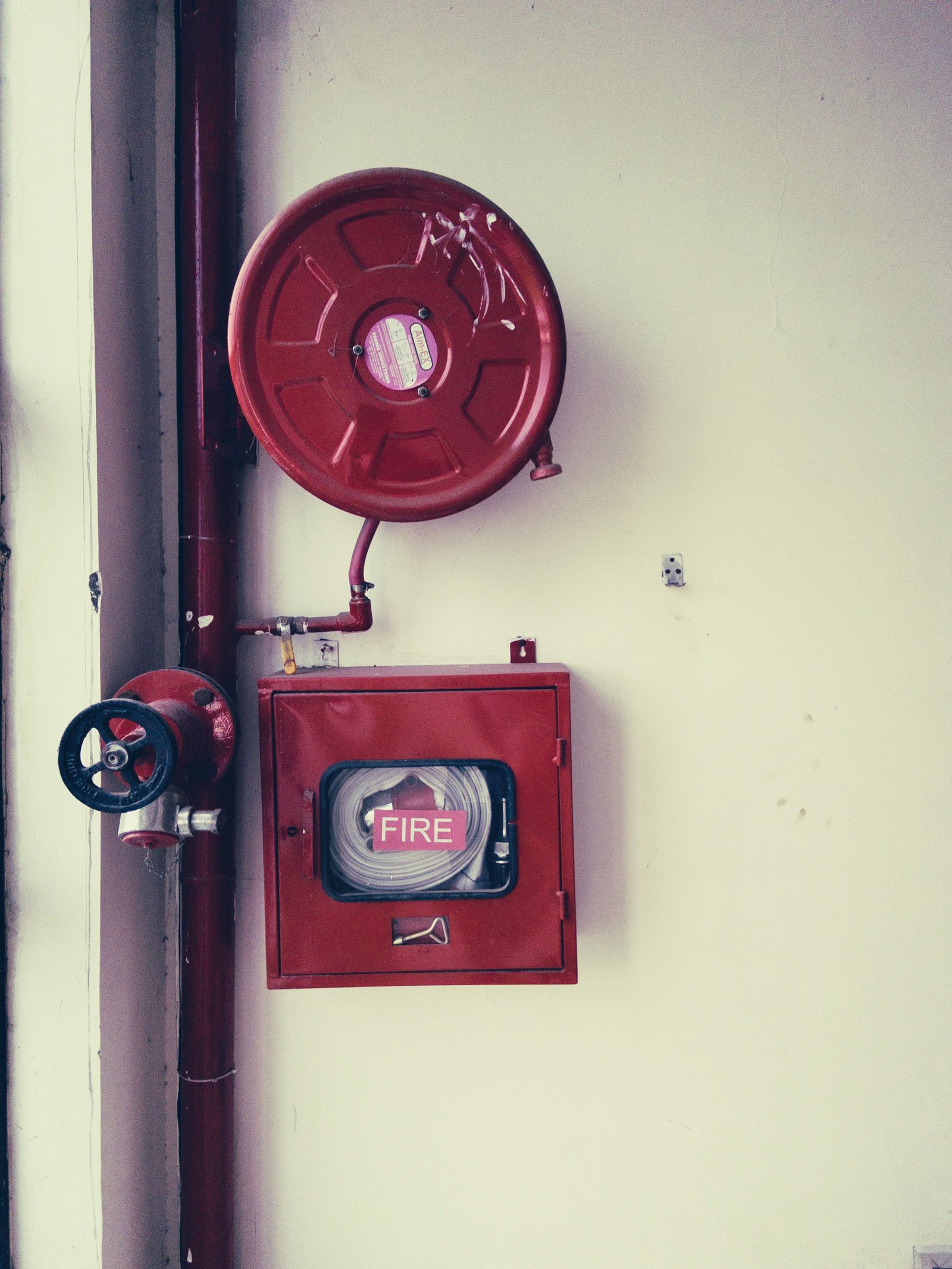
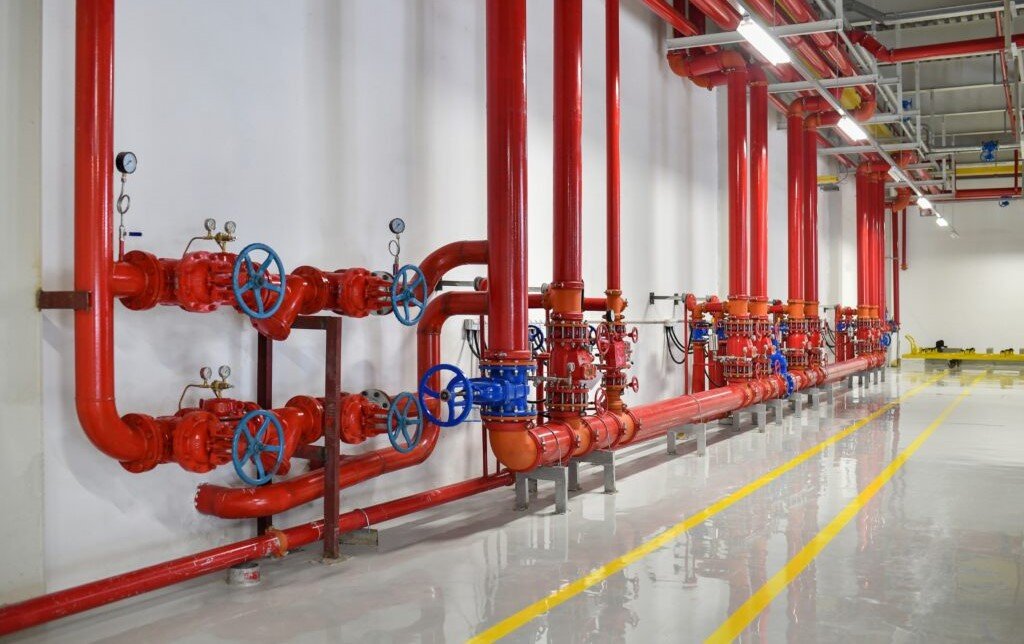
Modular dry riser systems installed progressively as floor slabs advance, providing immediate Civil Defense water connection points on upper decks.
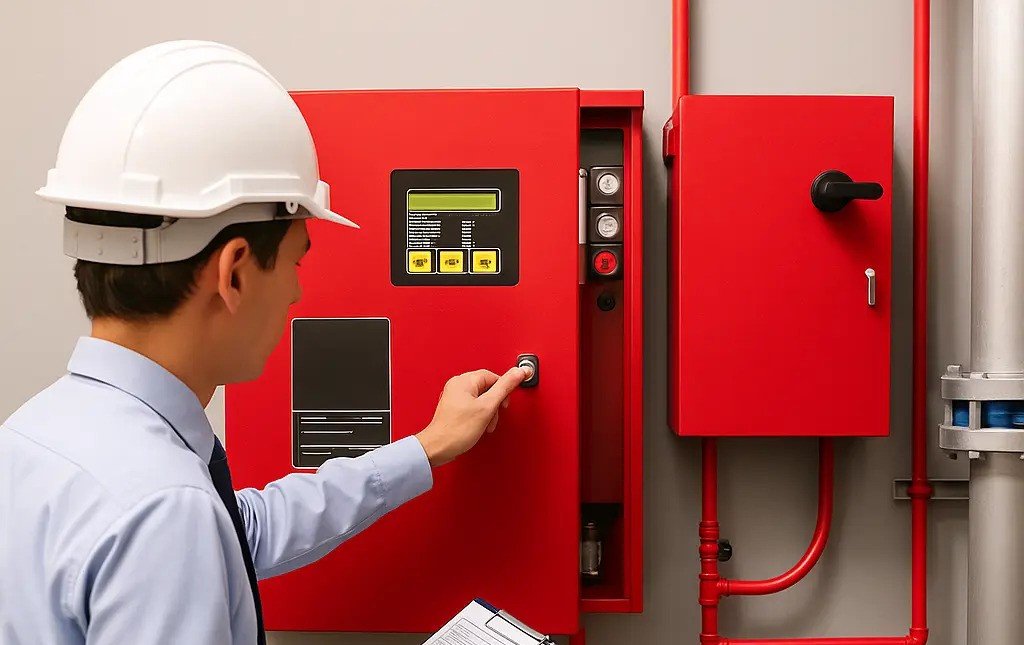
Zero-residue gaseous suppression protecting mission-critical power generation, water desalination, and IT infrastructure.


Submit your site plans, build stage details, or technical specifications to receive an itemized commercial and engineering proposal tailored to your Northern Region project.
Submit your CAD layouts or technical specifications for an itemized regional proposal within 24 hours.

Bahrah, 23342, Jeddah, KSA
sales@triad.sa
Monday – Friday, 8:00 AM – 5:00 PM (AST)
Under SBC 801 Chapter 33 and NFPA 241, active sites require temporary water standpipes on buildings exceeding 12 meters in height, accessible fire extinguishers stationed every 20 meters, dedicated hot-work fire watch equipment, clear access routes for emergency vehicles, and an audible site-wide evacuation alarm.
Wireless construction alarms utilize battery- or solar-powered mesh networking technology. Each unit acts as a repeater, passing alarm signals dynamically across miles of terrain or multi-level concrete structures to sound sirens instantly across the entire site without relying on main grid power or cabling.
Worker accommodation camps utilize interconnected smoke detection networks, external fire hydrants fed by dedicated water storage tanks, illuminated escape signages, and strategically placed ABC dry chemical extinguishers in compliance with Civil Defense temporary housing safety regulations.