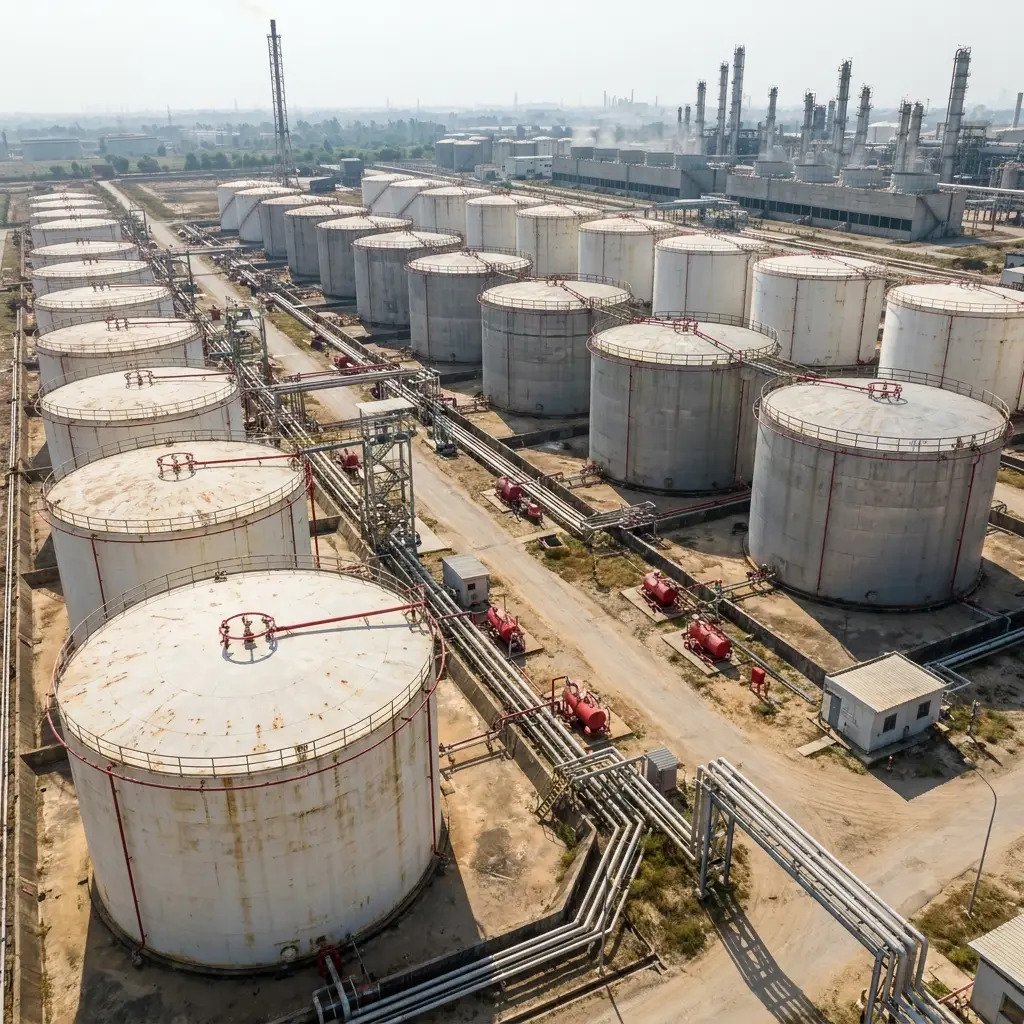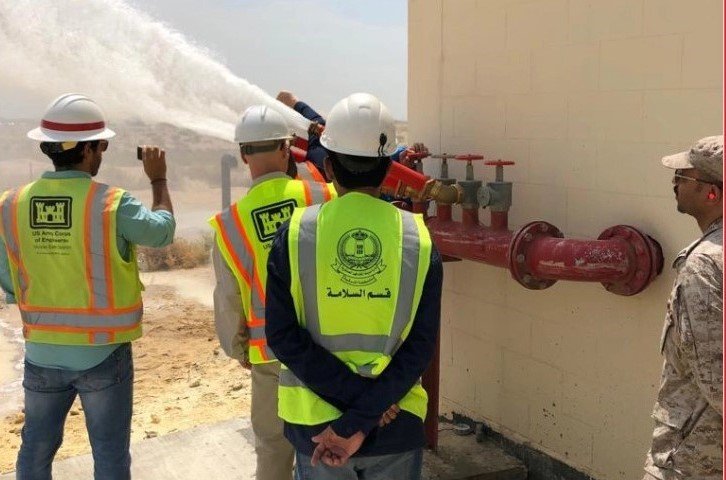
We deliver heavy-duty fire protection engineering, supply, installation, testing, commissioning, and Civil Defense certification across Dammam, Dhahran, Khobar, Jubail Industrial City, and Ras Tanura. Designed in strict compliance with the High Commission for Industrial Security (HCIS Directives SAF-01 to SAF-14), Saudi Aramco Engineering Standards (SAES), Saudi Building Code (SBC 801 Fire Code), and Saudi Civil Defense (Salamah) mandates, our specialized life safety solutions protect high-hazard petrochemical complexes, oil & gas processing facilities, power plants, and MODON industrial estates.
The Kingdom’s industrial heartland presents severe fire and explosion risks involving volatile hydrocarbons, flammable chemicals, and critical electrical assets. Our engineering frameworks are built specifically to satisfy strict HCIS SAF-10 industrial security requirements.

Hotels and commercial dining facilities require dedicated protection mechanisms for specialized hazard areas.

High-expansion and low-expansion foam systems engineered to rapidly smother flammable liquid fires across fuel racks, chemical loading bays, and storage tanks.
Residue-free, electrically non-conductive gaseous suppression protecting critical industrial process control centers without risking equipment downtime.
Heavy-duty, explosion-proof (Ex-d) multi-spectrum IR flame detectors and toxic/flammable gas sensors wired directly into site ESD (Emergency Shut-Down) networks.


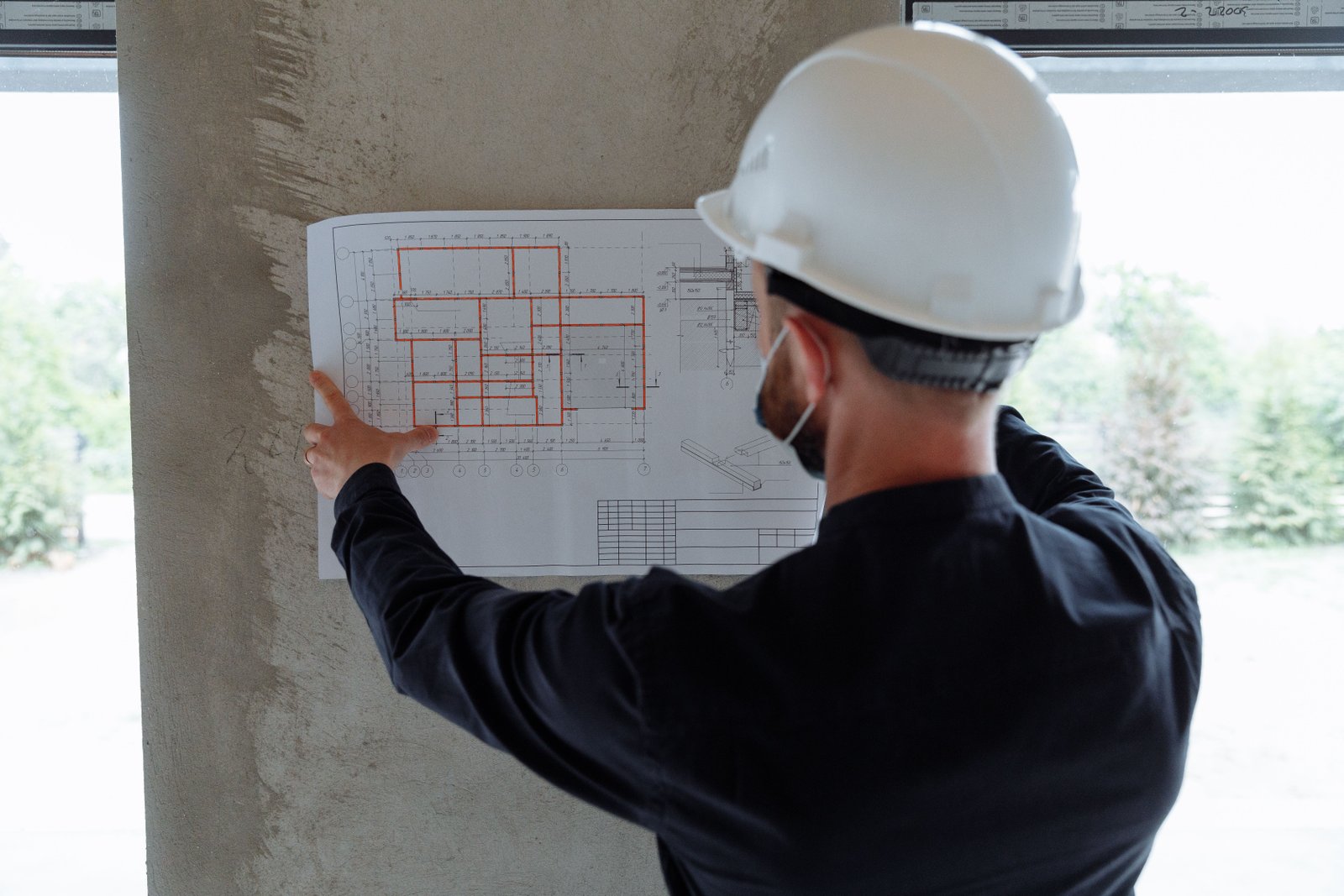
Submit your process flow diagrams, CAD layouts, or project specifications for an itemized commercial and engineering proposal tailored to your Eastern Province industrial facility.
Submit your CAD layouts or technical specifications for an itemized regional proposal within 24 hours.

Bahrah, 23342, Jeddah, KSA
sales@triad.sa
Monday – Friday, 8:00 AM – 5:00 PM (AST)
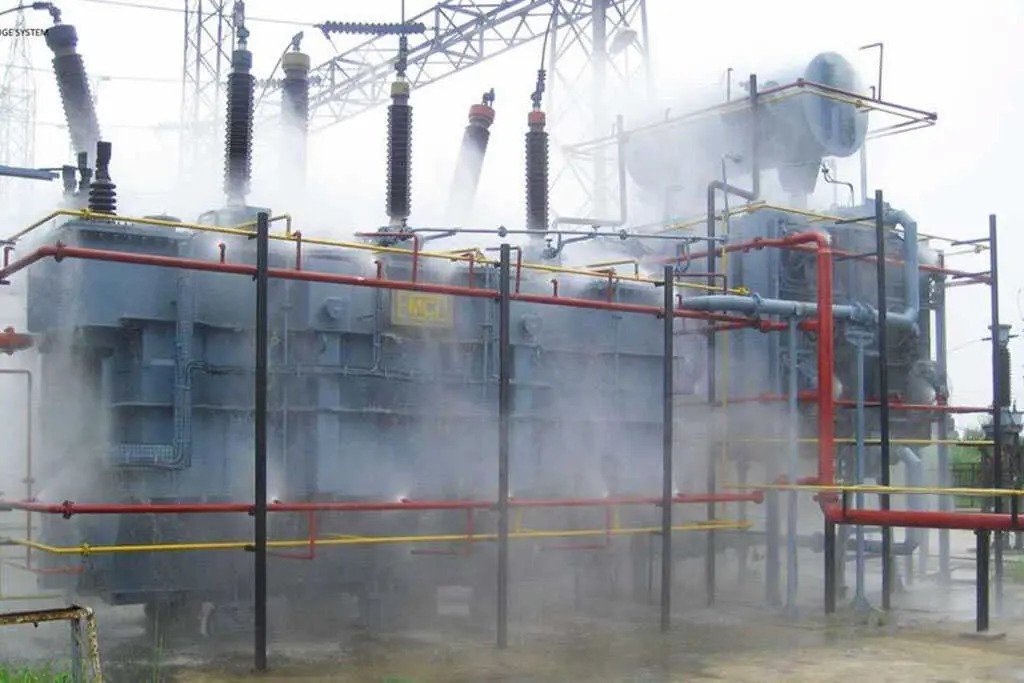
HCIS SAF-10 dictates strict fire protection criteria for industrial plants, including mandatory redundant fire water supply lines, dual-driven fire pump skids (diesel/electric), automated deluge protection for hydrocarbon equipment, certified gas detection loops, and full integration into the facility’s central control room.
Clean agent systems (Novec 1230, FM-200, Inergen) discharge an inert gas or chemical vapor within 10 seconds of fire detection. The gas rapidly absorbs heat and disrupts the combustion process at a molecular level, extinguishing the fire without causing electrical shorts or damaging sensitive PLC panels.
Standard sprinkler systems utilize closed heat-sensitive heads that open individually when exposed to fire. Deluge systems use open nozzles connected to a single dry pipe network; when activated by flame or heat detectors, the deluge valve opens immediately, flooding the entire protected zone with water or foam simultaneously.