We design, supply, install, commission, and certify automatic wet chemical fire suppression systems, phased voice evacuation networks, and integrated life safety architectures for hotels, luxury resorts, commercial kitchens, food courts, and entertainment venues across the Kingdom of Saudi Arabia. Operating in strict compliance with the Saudi Building Code (SBC 801), High Commission for Industrial Security (HCIS Directives), NFPA Standards (17A, 72, 96, 101), and Saudi Civil Defense (Salamah) mandates, our tailored systems protect high-occupancy guest spaces and high-risk culinary environments against rapid thermal threats without compromising operational continuity.
Commercial kitchens and multi-story hotel buildings present complex fire hazards—from high-temperature cooking oils in kitchen hoods to dense occupant loads across guest towers. Full compliance with Civil Defense and international standards is essential for life safety and property protection.

Hotels and commercial dining facilities require dedicated protection mechanisms for specialized hazard areas.

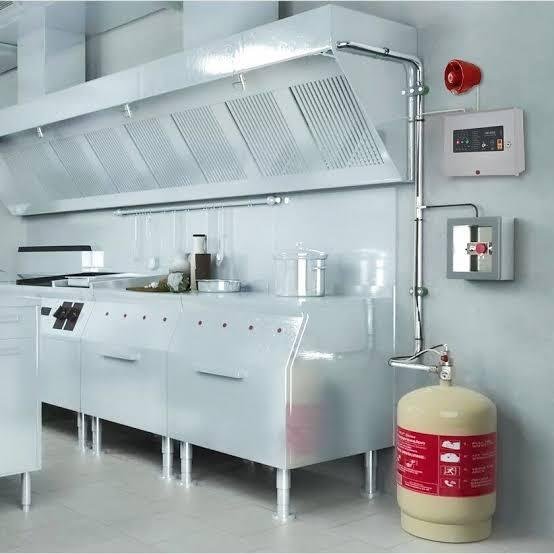
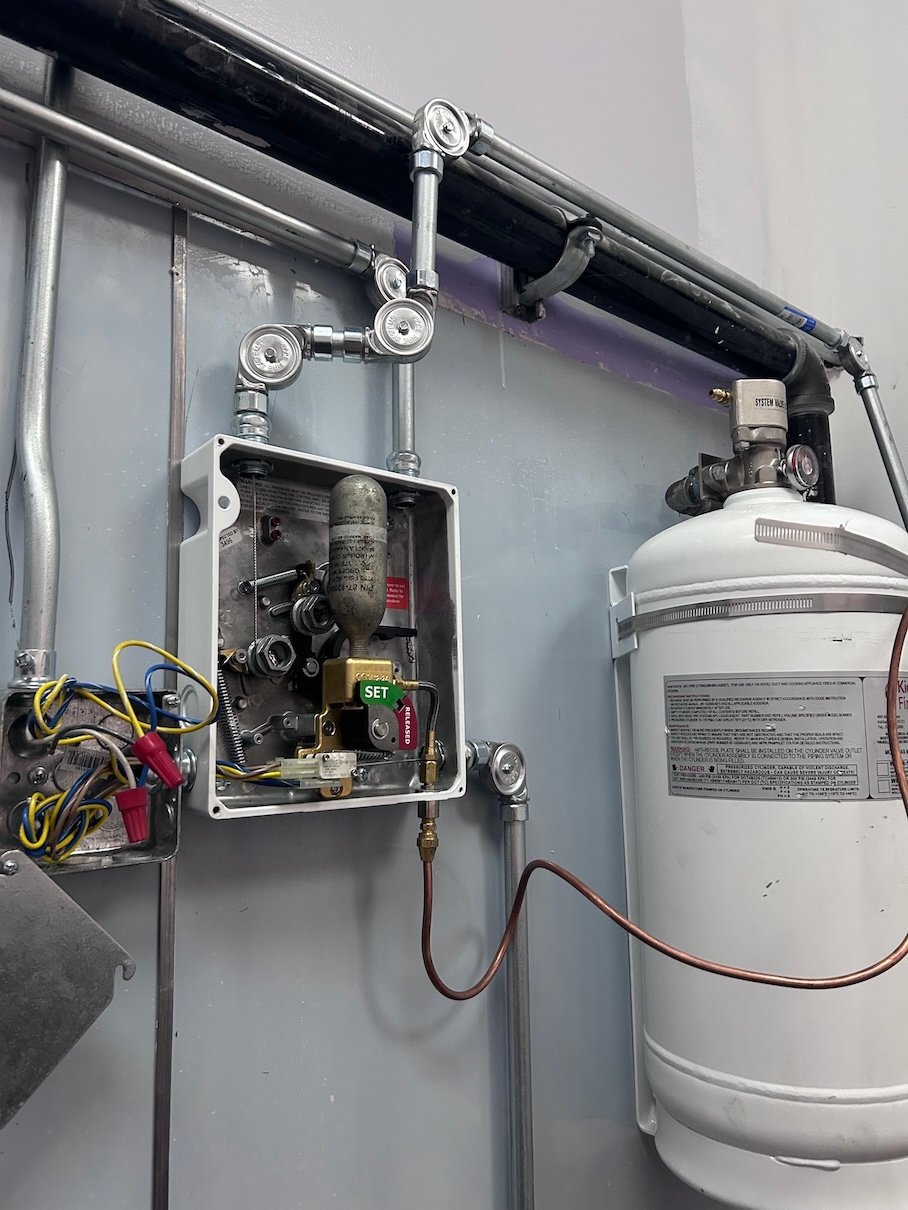
Verifying nozzle coverage, piping integrity, and mechanical pull-cable tensions per NFPA 17A.
Sound pressure level (dBA) testing and STI measurements across guest rooms, corridors, and public areas.
Complete technical submission, including UL/FM component certificates, system riser diagrams, and commissioning logs for Civil Defense licensing.
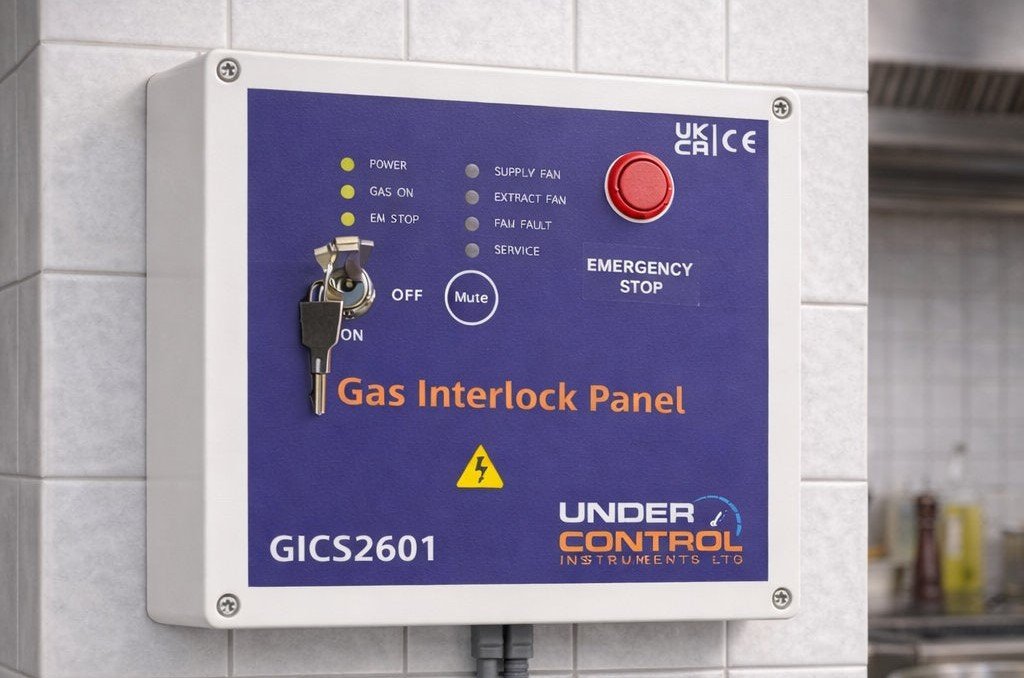
Safe commercial kitchen operation requires coordinated mechanical and electrical interlocks alongside clear acoustic coverage across public spaces.


Hotels and commercial dining facilities require dedicated protection mechanisms for specialized hazard areas.
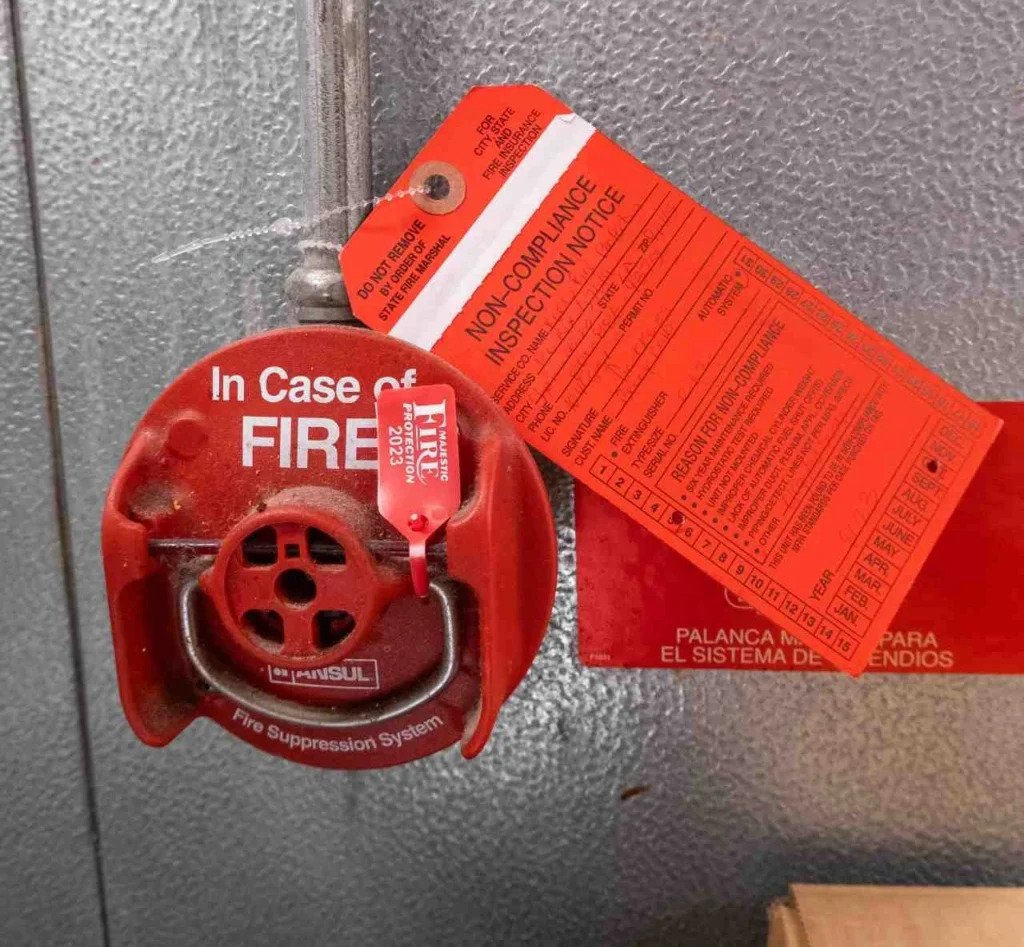
Specially formulated liquid potassium-salt solution discharged directly onto cooking appliances, hood plenums, and exhaust ducts. The agent reacts with hot grease to form a thick foam blanket (saponification), cutting off oxygen and preventing re-flash.
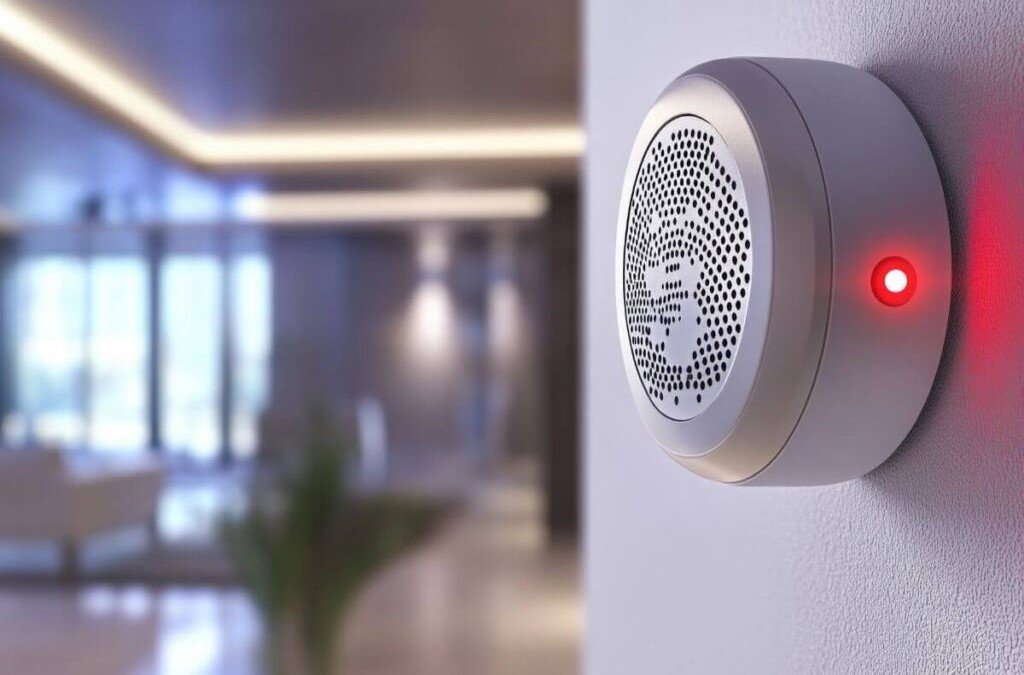
Multi-zone emergency voice alarm systems delivering crisp, intelligible spoken instructions during an emergency. Allows phased evacuation—guiding priority floors or zones first to prevent stairwell overcrowding.
High-sensitivity, multi-criteria smoke and heat detectors combined with automated stairwell pressurization and corridor smoke extract fans to maintain clear egress routes.
Our life safety engineering services extend across major hospitality hubs, mega-projects, and commercial centers throughout the Kingdom.
Whether upgrading a commercial kitchen, fitting out a boutique hotel, or preparing for an upcoming Civil Defense inspection, our team provides technical assistance, CAD layout reviews, and itemized proposals.

Bahrah, 23342, Jeddah, KSA
sales@triad.sa
Monday – Friday, 8:00 AM – 5:00 PM (AST)
Commercial cooking fires involve high-temperature fats and oils (Class K fires). Water applied to hot oil causes explosive vapor expansion, splattering burning oil across the room. Wet chemical agents create a soapy foam blanket through saponification, cooling the oil and sealing off oxygen safely.
The voice evacuation panel connects directly to the addressable Fire Alarm Control Panel (FACP). When fire sensors trigger, the FACP signals the voice evacuation system to play automated, clear spoken messages (in Arabic and English) tailored specifically to the activated zone or floor.
Per NFPA 17A and Saudi Civil Defense regulations, wet chemical systems require professional inspection and maintenance every six months. Thermal fusible links must be replaced periodically, and chemical agent tanks require periodic hydro-testing.