We design, supply, install, commission, and certify high-sensitivity aspirating smoke detection (VESDA), gaseous clean-agent suppression, and specialized fire protection architectures for data centers, telecom exchange hubs, server farms, and mission-critical IT facilities across the Kingdom of Saudi Arabia. Operating in strict compliance with the High Commission for Industrial Security (HCIS Directive SAF-10), Saudi Building Code (SBC 801), NFPA Standards (72, 75, 76, 2001), and Saudi Civil Defense (Salamah) mandates, our life safety solutions protect zero-downtime digital infrastructure, fiber exchanges, and cloud storage assets against thermal threats without water damage or operational disruption.
Mission-critical telecommunications facilities, banking data centers, and government IT hubs operating under HCIS or Ministry of Communications and Information Technology (MCIT) guidelines require early detection logic, zero-residue extinguishing agents, and room integrity validation.

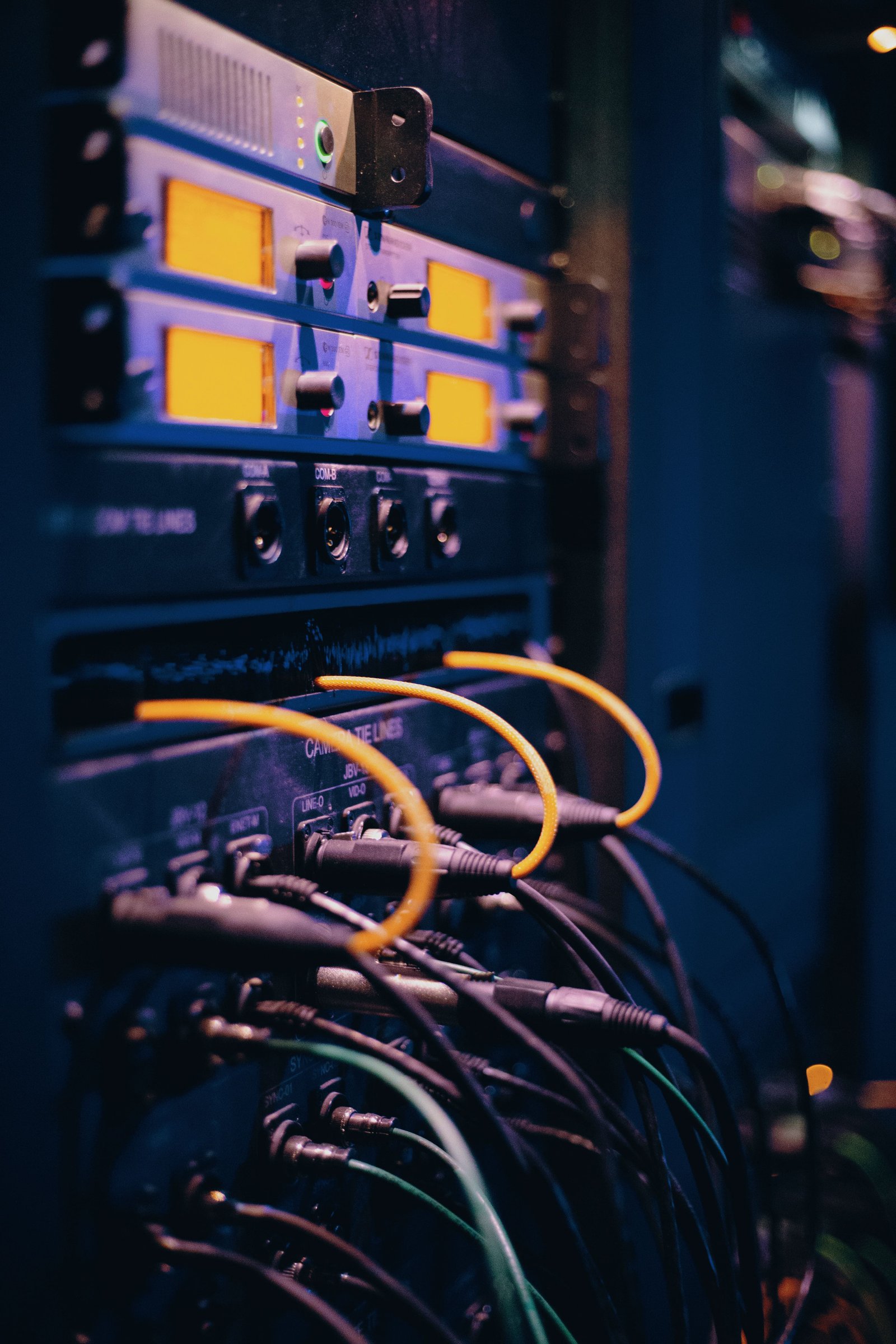
Data halls, server racks, and telecom switching centers generate high-velocity forced airflow through hot/cold aisles, requiring active air-sampling detection to catch micro-incipient combustion before visible flames emerge.

High-sensitivity laser air sampling detectors continuously pulling air through pipe networks in server racks and return air ducts, detecting trace thermal degradation hours before flaming combustion occurs.
Environmentally friendly liquid-phase clean agent providing rapid, sub-10-second gas extinction without leaving chemical residue or causing thermal shock to sensitive circuit boards.
Pure atmospheric gas combinations (Nitrogen/Argon) engineered for large telecom exchanges and subterranean cable chambers, extinguishing fires by safely lowering room oxygen levels below combustion thresholds.
Rapid gaseous discharge inside dense server halls demands specialized acoustic suppression nozzles and automated room sealing controls to safeguard sensitive hard disk drives (HDDs) from sound-wave vibration.


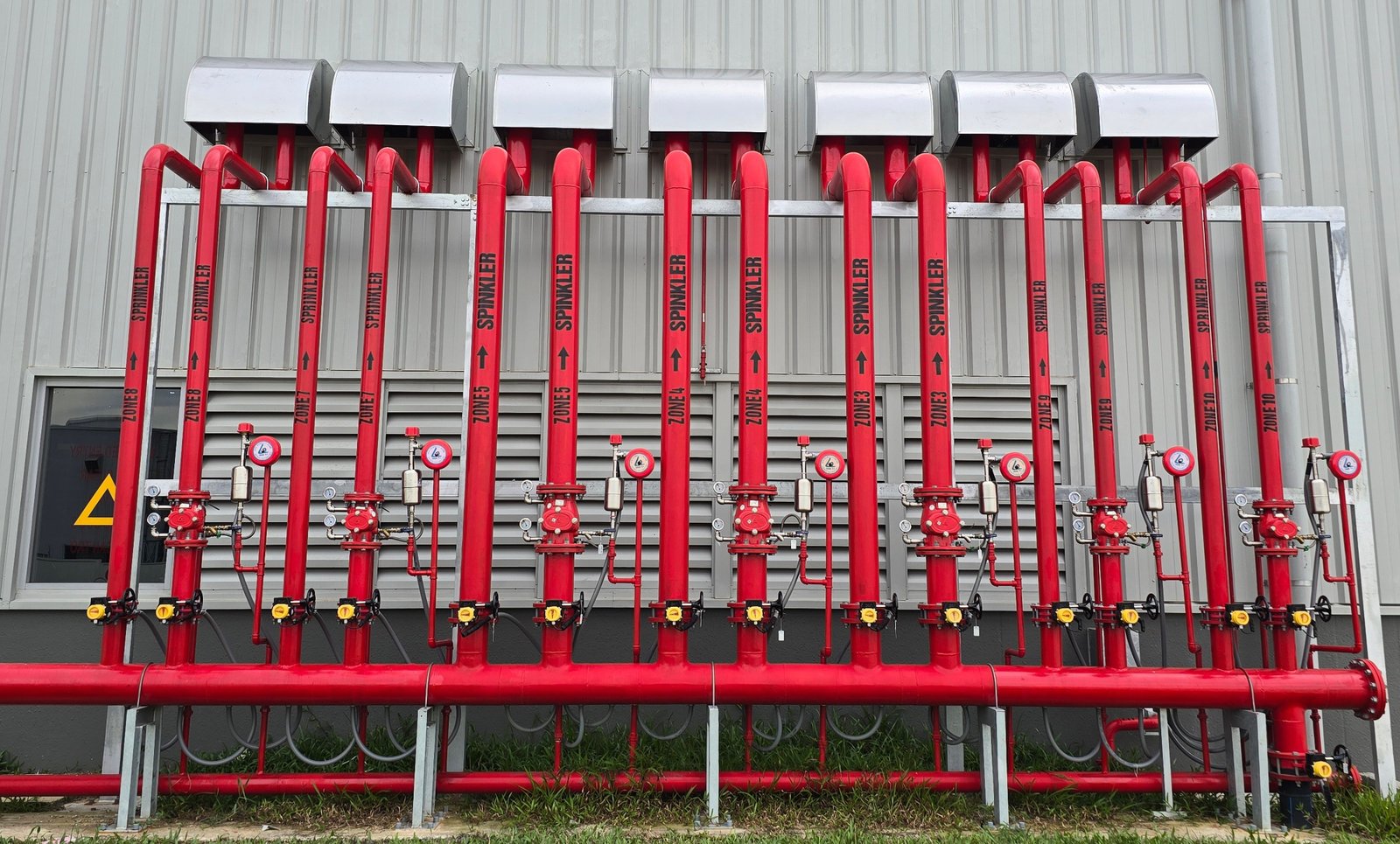
Processing plants and raw material warehouses handling solvent drums, fuel lines, or painting lines require immediate open-nozzle deluge containment.
Conducting door fan blower pressurization testing per NFPA 2001 to guarantee minimum 10-minute gas retention times inside data halls.
Verifying air sampling transport times, vacuum pressure metrics, and hole-by-hole suction balance using specialized fluid dynamics software.
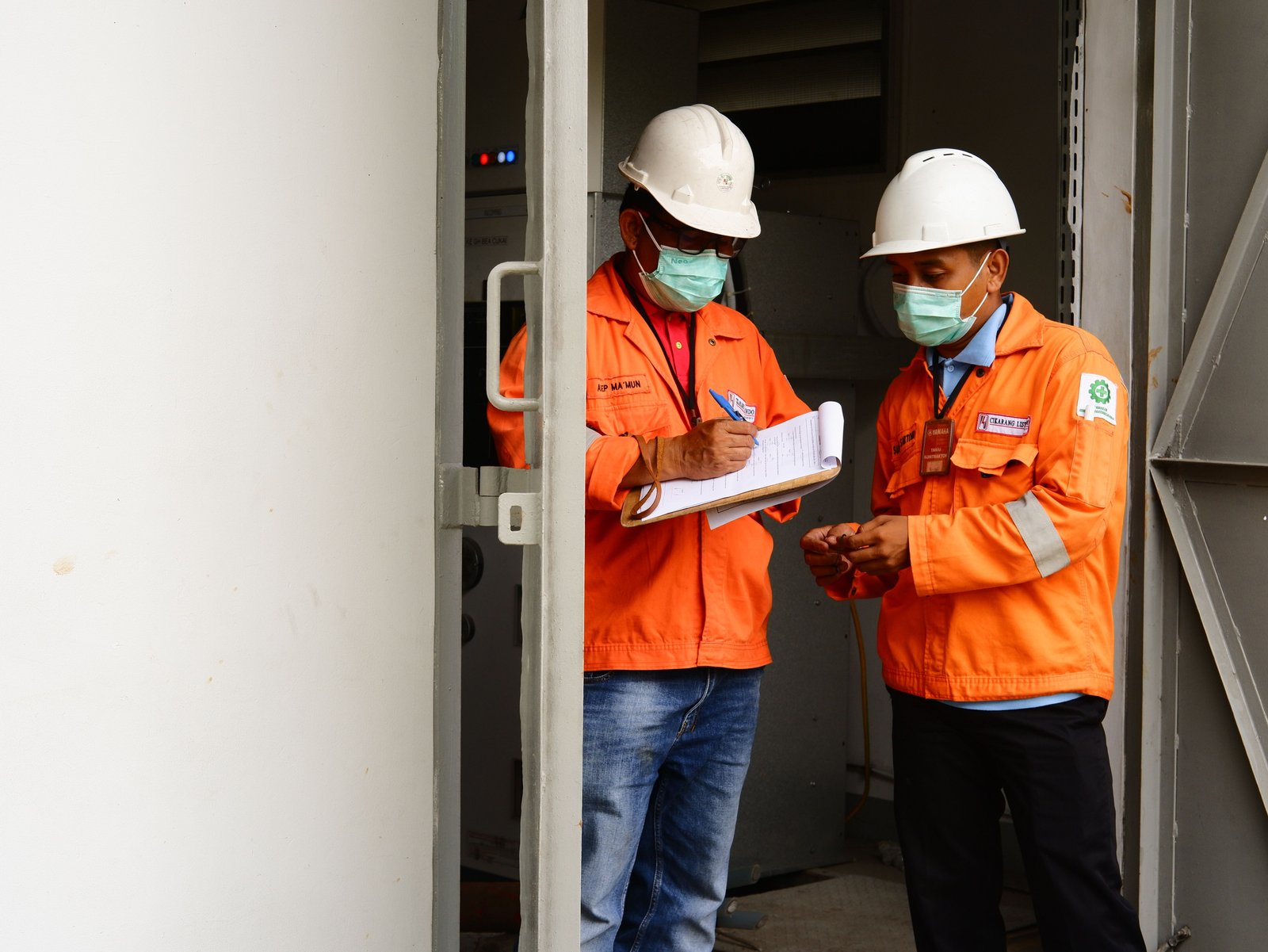
Complete documentation processing, including UL/FM component certificates, agent discharge calculations, and site test logs for direct Civil Defense licensing.
Our telecommunications and data center life safety services cover hyperscale facilities, enterprise server hubs, and telecom sites across the Kingdom’s key economic corridors.
Whether outfitting a modular data center, expanding a telecom exchange building, or preparing for an HCIS/Civil Defense audit, our certified engineering team provides immediate technical reviews, CAD design assistance, and estimates.

Bahrah, 23342, Jeddah, KSA
sales@triad.sa
Monday – Friday, 8:00 AM – 5:00 PM (AST)
Data halls utilize high-velocity air conditioning (CRAC/CRAH systems) that rapidly dilutes smoke particles. Standard spot detectors often fail to catch diluted smoke in fast-moving air, whereas VESDA actively draws continuous air samples into a high-sensitivity laser chamber to detect micro-combustion early.
When clean agent gas discharges under high pressure through standard nozzles, it produces intense acoustic noise (often over 130 dB). These sound waves cause mechanical vibrations in hard drive read/write heads, leading to drive crashes or data loss. Acoustic nozzles damp the sound energy below safe thresholds (<110 dB).
Per NFPA 2001 and HCIS rules, an enclosure must retain at least 85% of the design agent concentration for a minimum hold time of 10 minutes to prevent fire re-ignition while emergency teams respond.